Buying in ArizonaHousing Market UpdatesSelling Your Home July 24, 2026

2026 Luxury Real Estate Market Trends: Mid-Year Update

The 2026 luxury real estate market trends tell a different story than many of the headlines. While the broader housing market has experienced slower growth, the luxury sector continues to demonstrate remarkable resilience. According to the latest Coldwell Banker Global Luxury® Mid-Year Report, affluent buyers remain active despite higher interest rates, economic uncertainty, and global events.

So what does that mean if you’re buying or selling a luxury home in Scottsdale, Paradise Valley, or another high-end community? Here are some of the biggest trends shaping today’s luxury market.


Luxury Real Estate is Outperforming the Overall Housing Market

While the overall U.S. housing market has experienced slower growth, luxury homes continue to perform well. The report found that luxury home sales increased 1.2% year-over-year, nearly double the pace of the broader housing market. Even more encouraging, luxury sales strengthened throughout the spring while the general market flattened.


What This Means for Arizona Sellers

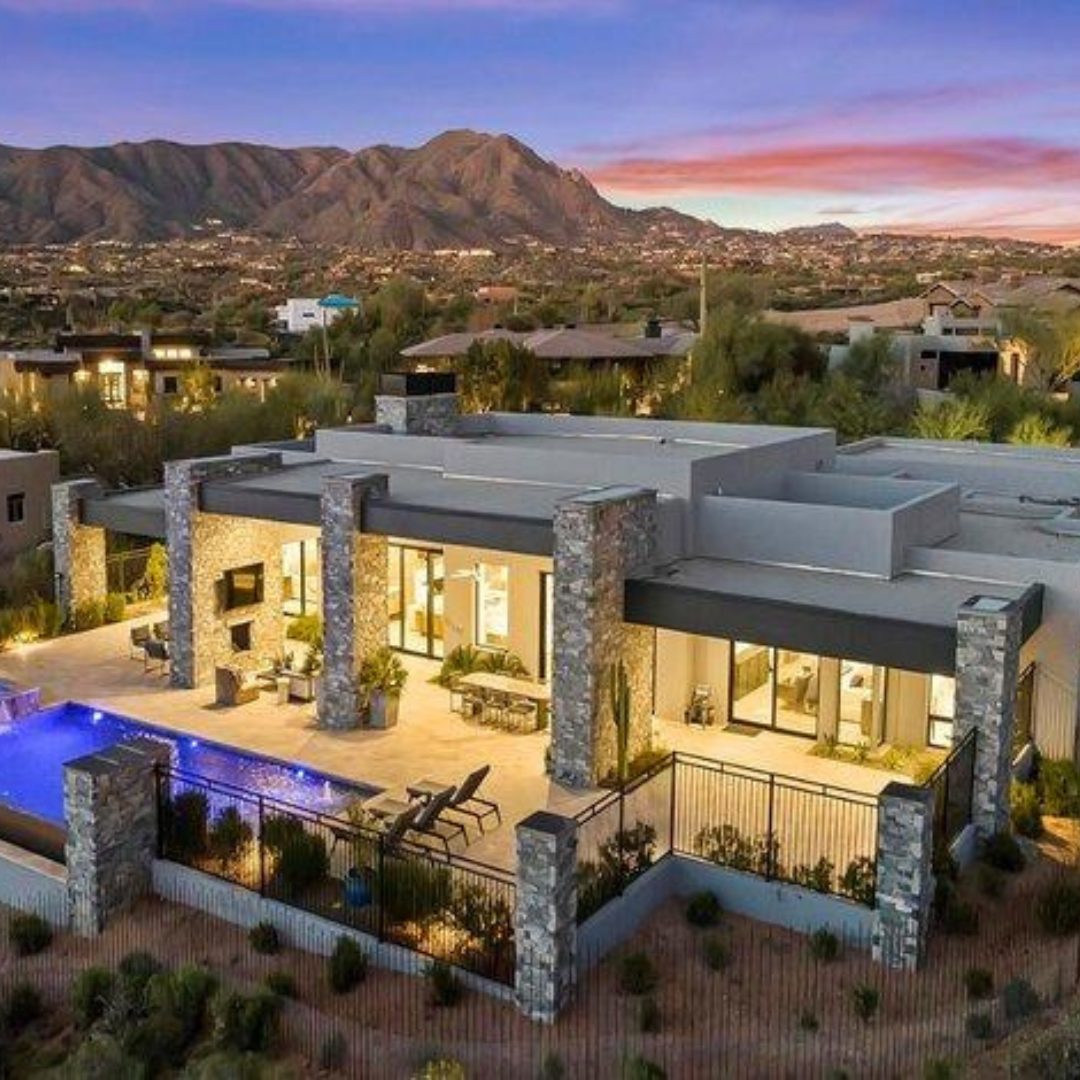
Luxury buyers remain active. Well-priced homes with exceptional presentation continue to attract qualified buyers, especially in desirable communities like Silverleaf, DC Ranch, Whisper Rock, Desert Mountain, and Paradise Valley.


Luxury Real Estate Has Become a Wealth Preservation Strategy

Today’s affluent buyers aren’t purchasing luxury homes simply because they want a beautiful place to live. They’re viewing luxury real estate as part of a diversified investment portfolio.

According to the report, more than 82% of Luxury Property Specialists say their clients are maintaining or increasing their real estate holdings as they seek stable, tangible assets amid stock market volatility and economic uncertainty.

For many high-net-worth individuals, luxury real estate has evolved from a lifestyle purchase into a long-term wealth preservation strategy.


Ultra-Luxury Homes Are Driving Much of the Market

One of the report’s most interesting findings is that not all luxury properties are performing equally. The strongest demand is concentrated at the very top of the market.

  • The top 5% of luxury homes experienced an 8% increase in median sale price.
  • The top 1% increased 6.5%.
  • More than half of the year’s luxury market dollar-volume growth came from the top 1%–5% segment.

This reflects continued demand for trophy properties offering exceptional architecture, privacy, views, acreage, and lifestyle amenities.


Buyers Are Becoming More Selective

Luxury buyers have always been discerning. Today’s buyers are even more informed.

Many leverage AI-powered research, market analytics, and extensive online resources before ever touring a property. They’re focused on long-term value and are often unwilling to compromise on location, quality, or lifestyle features.

The report describes today’s affluent consumer as a “low-compromise buyer,” noting that more than half of surveyed luxury specialists say buyers rarely make trade-offs during negotiations.


What Sellers Should Know

Presentation matters more than ever. Professional photography, thoughtful staging, strategic pricing, and a comprehensive marketing plan are no longer optional—they’re expected.


Inventory Remains Tight

Although inventory has improved in some markets, exceptional luxury homes remain relatively scarce. The report suggests that many affluent homeowners have delayed listing their properties, creating what researchers describe as “shadow inventory.” These sellers may choose to enter the market later this year as conditions evolve.

For buyers, this means acting decisively when the right property becomes available.

For sellers, limited competition can provide an opportunity to stand out.


Space, Privacy, and Lifestyle Continue to Win

Today’s luxury buyers continue to prioritize homes that support the way they live. Demand remains especially strong for:

  • Detached single-family homes
  • Larger homes with five or more bedrooms
  • Private estates
  • Land and larger lots
  • Wellness-focused amenities
  • Outdoor entertaining spaces
  • Flexible floor plans
  • Multigenerational living

Interestingly, global searches for unique properties (estates, historic homes, branded residences, and private islands) rose 146% year over year, while searches for land nearly doubled.


A New Generation of Luxury Buyers Is Emerging

The report also highlights the impact of the ongoing generational wealth transfer. As younger affluent buyers inherit significant wealth, they’re entering the luxury market with different priorities than previous generations. Many value flexibility, sustainability, multiple-home ownership, and investment potential alongside traditional luxury features. This shift is expected to influence luxury housing demand for years to come.


What Does This Mean for Scottsdale’s Luxury Market?

Although every local market has its own dynamics, many of these national trends mirror what we’re seeing here in Scottsdale and Paradise Valley. Exceptional homes continue to attract strong interest. Buyers remain selective and expect quality, thoughtful design, and move-in-ready condition. Properties offering privacy, resort-style outdoor living, mountain views, golf course locations, and community amenities continue to command attention.

At the same time, pricing strategy has become increasingly important. Even in a healthy luxury market, today’s buyers are informed and compare value carefully. That’s why local market expertise matters. National reports provide valuable perspective, but understanding neighborhood-specific trends, buyer behavior, inventory levels, and pricing strategies requires insight into the local market.


Final Thoughts

The 2026 Coldwell Banker Global Luxury® Mid-Year Report reinforces an important message: luxury real estate continues to demonstrate remarkable resilience, even as the broader housing market faces challenges.

Affluent buyers remain active, inventory is still limited for exceptional properties, and demand continues to favor homes that offer privacy, quality, and an exceptional lifestyle.

If you’re considering buying or selling a luxury home, I’d be happy to discuss what these trends mean for your unique situation and help you make informed decisions with confidence.


This blog was written with the assistance of AI, edited by Paula Rosentreter.

Selling Your Home July 1, 2026

Luxury Property Auctions

When most homeowners think about selling a luxury property, they envision a traditional listing on the MLS, private showings, broker open houses, and extensive marketing campaigns. While that remains the most common approach, luxury property auctions have emerged as a niche, though growing, option for select luxury properties.


Although auctions still represent a small percentage of luxury home sales, they have gained attention in recent years as sellers and buyers seek alternative ways to transact unique and high-value properties. From golf course estates in Scottsdale to waterfront mansions and mountain retreats, luxury auctions are becoming part of the conversation for some sellers.


So, how do luxury property auctions work, and when might they make sense?


Luxury Property Auctions Are Not the Norm

It’s important to understand that luxury property auctions remain a specialized segment of the real estate market. The vast majority of luxury homes are still sold through traditional listing methods.


In many cases, a well-priced luxury home in a desirable market can achieve excellent results through mainstream marketing and exposure. However, certain properties face challenges that make an auction worth considering.


Luxury auctions are typically best suited for:

  • Unique or difficult-to-value properties
  • Ultra-luxury homes with a limited buyer pool
  • Properties that appeal to national or international buyers
  • Homes that have experienced extended market time
  • Sellers seeking a defined timeline for a sale


Rather than replacing traditional listings, luxury auctions serve as another tool that may be appropriate under specific circumstances. They can also be incorporated into your MLS listing and facilitated by your real estate agent.


How Luxury Property Auctions Work

Unlike television portrayals of fast-paced auction rooms, today’s luxury property auctions are highly sophisticated marketing events.

Auction companies work alongside the homeowner and listing agent to create a concentrated marketing campaign designed to attract qualified buyers from across the country and around the world.  The process generally includes:

  • Property Evaluation – the auction company evaluates the home, market conditions, and seller objectives to determine whether the property is a good candidate for auction.
  • Intensive Marketing – luxury auction firms often invest heavily in advertising and promotion. The goal is to generate significant interest within a relatively short timeframe. Marketing may include:
    • Luxury real estate websites
    • Digital advertising campaigns
    • Social media marketing
    • Email outreach to affluent buyers
    • International exposure
    • Broker-to-broker promotion
  • Buyer Registration – interested buyers typically register in advance and verify their financial ability to purchase. This helps ensure that participants are serious and qualified.
  • Auction – once the marketing period concludes, buyers submit bids during a scheduled auction event that can be a specific day but is more likely a date range. Depending on the structure, bidding may take place online, live, or through a hybrid format.
  • Contract and Closing – auction sales often involve streamlined contracts and predetermined terms, which can reduce lengthy negotiations and create a more predictable path to closing.


Why Are Luxury Auctions Growing?

Several factors have contributed to the increased visibility of luxury property auctions.


Global Reach

Today’s luxury buyers are often located outside the local market. Auction platforms can expose a property to a worldwide audience, expanding the pool of potential buyers.


Increased Marketing Exposure

Luxury auction companies frequently market properties far beyond traditional local channels, creating awareness among buyers who may not otherwise discover the home.


Defined Timeline

Some sellers prefer the certainty of a structured marketing campaign and auction date rather than waiting indefinitely for the right buyer to emerge.


Competitive Environment

When multiple interested buyers participate simultaneously, auctions can create a competitive atmosphere that may encourage stronger offers.


Benefits of a Luxury Property Auction

  • Expanded Exposure – auction marketing often reaches buyers on a national and international scale.
  • Urgency – a defined auction date encourages buyers to act rather than delay decisions.
  • Streamlined Process – auction contracts are typically structured in advance, reducing negotiation complexity.
  • Potential for Competitive Bidding – multiple interested buyers bidding at the same time can create momentum that benefits the seller.


Potential Drawbacks to Consider

  • Additional Costs – some auction programs involve marketing fees or seller commitments that should be fully understood before proceeding.
  • Not Every Property Is a Good Fit – properties with strong demand and abundant comparable sales may perform just as well—or better—through a traditional listing strategy.
  • Buyer Perceptions – some buyers still associate auctions with distressed properties, even though luxury auctions have become increasingly sophisticated.


When Might an Auction Make Sense?

Before pursuing an auction, homeowners should consult with their real estate agent to evaluate all available selling strategies. An experienced luxury real estate professional can assess market conditions, buyer demand, comparable sales, and the property’s unique characteristics to determine whether an auction or a traditional listing is more likely to achieve the seller’s goals. In some cases, a traditional listing may be the best option; in others, an auction may provide advantages that warrant further exploration.


In certain situations, an auction can create fresh interest and expose the property to a broader audience. A luxury property auction may be worth exploring when:

  • The home is highly unique and difficult to price.
  • The property has been on the market for an extended period.
  • The seller wants a more defined timeline.
  • The property appeals to buyers outside the local market.
  • Traditional marketing efforts have not generated the desired results.


The Scottsdale Perspective

In markets like Scottsdale, Paradise Valley, and North Scottsdale, luxury auctions remain relatively uncommon compared to traditional listings. However, they occasionally appear with exceptional estates, unique custom homes, and ultra-luxury residences where reaching a global audience can be advantageous.


Because every luxury property is unique, the decision to pursue an auction should be made carefully and in partnership with a trusted real estate advisor. A knowledgeable agent can help sellers compare the potential benefits, costs, timeline, and risks of both traditional marketing and auction strategies to determine the most effective approach.


Final Thoughts

Luxury property auctions remain a niche segment of the luxury real estate market. For certain properties and sellers, an auction can provide expanded exposure, a defined timeline, and access to qualified buyers from around the world. However, auctions are not a replacement for traditional listings. They are simply another tool that may be appropriate under specific circumstances.


Curious whether a luxury property auction might be worth considering for your home? Every property and market situation is different. Let’s discuss your home’s unique characteristics, current market conditions, and available selling strategies to determine the approach that best supports your goals.


Note: This blog was written with the assistance of AI, edited by Paula Rosentreter.

Buying in ArizonaLife in the Valley June 8, 2026

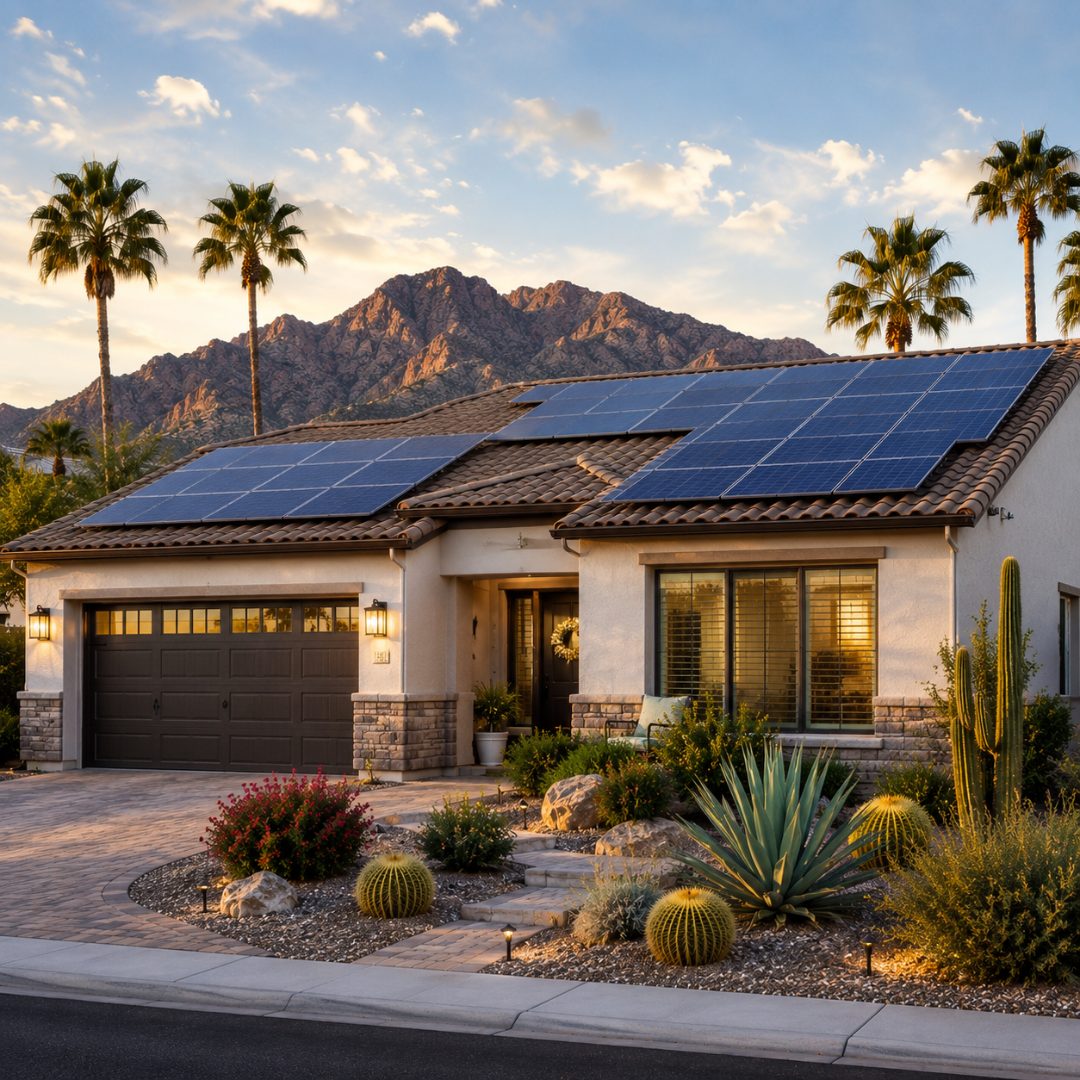
Buying a Home with Solar Panels in Arizona: Owned vs. Leased Solar Explained

As solar energy becomes more common across Arizona, home buyers are increasingly encountering properties with solar panels already installed. While solar can offer lower utility bills and long-term savings, not all solar systems are created equally. One of the most important questions to ask when considering a home with solar is whether the system is owned or leased. The answer can affect your monthly expenses, financing, future resale value, and overall homeownership experience. Before you make an offer, here’s what you should know about buying a home with owned versus leased solar panels.


Buying a Home with Owned Solar Panels

In an owned solar arrangement, the seller either purchased the system outright or has paid off a solar loan. Ownership transfers to the buyer as part of the home sale.


Advantages of Owned Solar

  • Lower Utility Bills Without Additional Payments – One of the biggest benefits of owned solar is the opportunity to enjoy reduced electricity costs without taking on a separate lease payment. The energy generated by the system can help offset Arizona’s high summer cooling costs.
  • Potentially Greater Home Value – Many buyers view owned solar as a valuable feature, depending on the system’s age and roof condition. Unlike a lease, there is no separate contract to assume.
  • Simpler Real Estate Transaction – Owned solar generally creates fewer hurdles during escrow. Buyers don’t need approval from a solar company.
  • Long-Term Savings – If the system is relatively new and properly sized, buyers may benefit from years of reduced energy expenses.


Potential Drawbacks of Owned Solar

  • Age and Condition Matter – Not all solar systems offer the same value. Buyers should ask about the installation date, remaining warranty coverage, maintenance history, and expected lifespan of key components like the inverter.
  • Future Repair Costs – Once warranties expire, the homeowner becomes responsible for maintenance and repairs.
  • Equipment Purchased to Meet Their Needs, Not Yours – A solar system that worked well for the seller may not fully offset the energy usage of a new household, especially if occupancy and usage differ. For example, the original owners purchased a system for two adults working outside the home; usage for a family of five with parents working from home and three teenagers is likely to be much higher.


Buying a Home with Leased Solar Panels

With leased solar, the solar company retains ownership of the equipment. The buyer must typically assume the existing lease agreement as part of the purchase.


Advantages of Leased Solar

  • Lower Utility Bills from Day One – Many leased systems still provide energy savings compared to relying entirely on the utility company.
  • Limited Maintenance Responsibility – Since the solar company owns the equipment, maintenance and repairs are often covered under the lease agreement.
  • No Large Upfront Investment – The original homeowner paid little or nothing to install the system, which means buyers can benefit from solar generation without having paid for installation costs.


Potential Drawbacks of Leased Solar

  • Lease Assumption Requirements – Most solar companies require buyers to qualify for and assume the lease before closing. This process can involve credit approval and additional paperwork.
  • Monthly Lease Payments – Unlike owned solar, leased systems typically come with ongoing monthly payments that transfer to the buyer.
  • Escalation Clauses – Some solar leases have escalating payments so lease costs increase annually, while the energy produced goes down. Other leases can be flat.
  • Potential Financing Challenges – Certain buyers may be hesitant to assume a long-term lease obligation or may not qualify for the lease assumption.
  • Does Not Add Value – appraisers do not recognized leased solar as adding value to a property because it is not owned.
  • Can Affect a Home’s Marketability – for the above reasons, homes with leased solar can take longer to sell.


Questions Every Buyer Should Ask

Whether the solar system is owned or leased, buyers should gather as much information as possible before closing. Consider asking:

  • Is the solar system owned, financed, or leased?
  • When was the system installed?
  • What is the average monthly electric bill?
  • Are warranties transferable?
  • Has the system required repairs?
  • Are there monitoring reports showing production history?
  • If leased, what are the monthly payments and remaining contract term?
  • If leased, what happens with the system at the end of the lease?
  • Does the lease contain annual payment increases?
  • Was the roof replaced before the solar system was added?
  • What is the condition of the roof the solar panels are installed on?
  • Who would be responsible for removing and reinstalling the panels if the roof needs replacement?


Real Estate Perspective

When helping buyers evaluate homes with solar in the Phoenix and Scottsdale area, I encourage them to look beyond the promise of lower electric bills. The best solar-equipped homes typically have:

  • An owned solar system
  • Transferable warranties
  • Documented production history
  • A roof in good condition with substantial remaining life
  • Clear records regarding maintenance and repairs


A solar system can be a tremendous asset, but only when buyers understand the complete picture—including the roof underneath it.


Final Thoughts

For most Arizona home buyers, owned solar is typically the more desirable option because it often provides lower long-term energy costs, fewer transaction hurdles, and greater resale appeal. Leased solar can still offer savings, but buyers should carefully review the lease agreement, transfer requirements, monthly payments, roof condition, and any potential fees before moving forward.


Category Owned Solar Leased Solar
Simplicity of Purchase ⭐⭐⭐⭐⭐ ⭐⭐⭐
Predictability of Monthly Costs ⭐⭐⭐⭐ ⭐⭐
Long-Term Financial Benefit ⭐⭐⭐⭐⭐ ⭐⭐
Flexibility ⭐⭐⭐⭐⭐ ⭐⭐
Ease of Future Resale ⭐⭐⭐⭐⭐ ⭐⭐⭐
Likelihood of Additional Fees ⭐⭐⭐⭐⭐ ⭐⭐
Overall Buyer Appeal ⭐⭐⭐⭐⭐ ⭐⭐⭐


Note: Every solar system is different. Buyers should review the solar agreement, production history, warranties, roof condition, and recent utility bills before making a purchasing decision. A leased solar system may still be an excellent value if the terms are favorable and the energy savings outweigh the lease costs. This article was written with the assistnace of AI.

Retirement May 9, 2026

Arizona’s Sun City Communities

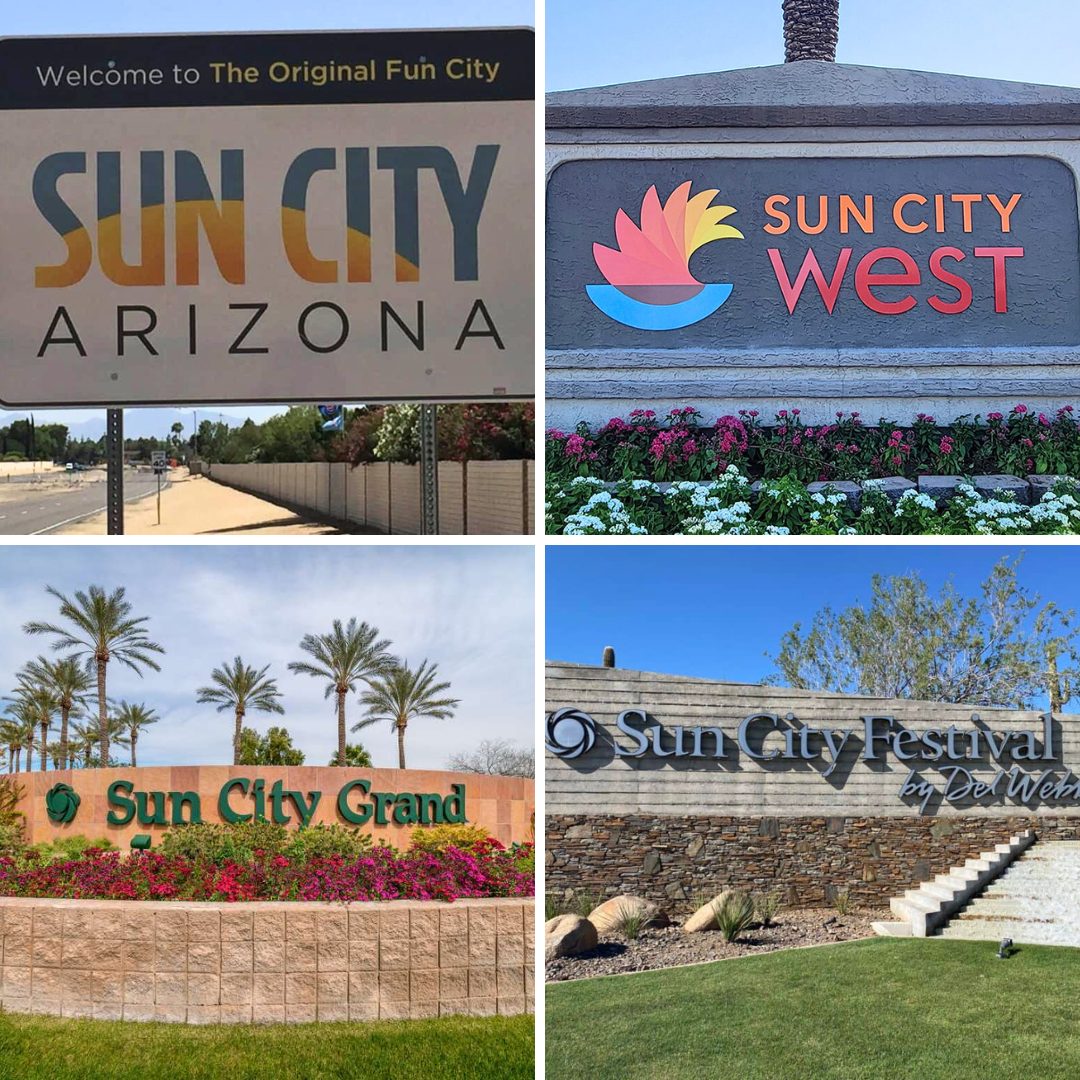
People retiring to Arizona often think of Sun City as one big community, but let’s compare the four Sun City communities. When Del Webb opened the original Sun City in 1960, it became a national sensation—selling more than 200 homes on its first weekend. It redefined retirement by offering affordable golf, social clubs, and recreation.

Over time, newer Sun City communities were built to meet the changing desires of retirees: more space, modern homes, resort-style amenities, and advanced fitness and wellness centers.

  • Sun City (1960): ~40,000 residents, the most affordable
  • Sun City West (1978): ~30,000 residents, more contemporary
  • Sun City Grand (1996): ~17,000 residents, upscale and smaller
  • Sun City Festival (2006): ~7,000 residents (growing), newest and tech-savvy

Sun City – The Original and Largest

Sun City, Arizona, is a 55+ community located in unincorporated Maricopa County (no schools, low taxes) and is where it all began with homes built in the 1960’s and 70’s. With mature landscaping, low HOA fees, and a tight-knit community feel, it’s ideal for retirees who value tradition, affordability, and a laid-back lifestyle. It offers over 130 clubs, 8 golf courses, and 7 recreation centers, an amphitheater, and more.

Sun City West – A More Modern Successor

Built to accommodate growing demand, Sun City West is also a 55+ community located in unincorporated Maricopa County, offering larger homes built between 1978 and 1997 with modern layouts and updated facilities. Residents enjoy 7 golf courses, 4 recreation centers, and numerous specialty studios for crafts, woodworking, and dancing.

Sun City Grand – Upscale and Resort-Inspired

Recently rebranded as The Grand, this community is located in Surprise, AZ and is also primarily 55+, though 15% can be 45-54. Known for its resort-style living, it offers 4 championship golf courses, 2 fitness centers, 4 pools, a sprawling village center, and lush landscaping. The homes are newer (built between 1996 and 2005), featuring open-concept designs and high-end finishes.

Sun City Festival – The New Generation of Active Living

As the newest addition with construction ongoing, Sun City Festival in Buckeye, AZ, reimagines 55+ living (10% of new construction can be 45-54) with smart home technology, innovative fitness centers, and breathtaking desert views. Its massive recreation complex, Festival Ranch, includes pickleball courts, an amphitheater, and even culinary studios. It’s the most modern of all Sun City communities but the location is currently fairly remote.

Amenities & Lifestyle Comparison

Feature Sun City Sun City West Sun City Grand Sun City Festival
Golf Courses 8 7 4 1
Rec Centers 7 4 4 2 (Large-scale)
Pools & Fitness Yes Yes (Updated) Yes (Luxury-level) Yes (Modern, Smart Gym)
Arts & Crafts Excellent Excellent Great Great
Dining & Shopping Nearby On-site + Nearby On-site + High-end Limited, Growing

Real Estate Home Options

When comparing these four Sun City communities, home styles, prices, and HOA fees vary significantly — giving retirees flexibility based on budget and lifestyle.

Community Ave. Home Size Price Range (2025 Est.) Style Highlights
Sun City 1,000–2,500 sq. ft. $250K–$450K Classic ranch-style, remodeled interiors
Sun City West 1,200–2,800 sq. ft. $300K–$550K Modernized floorplans, golf course lots
Sun City Grand 1,400–3,000 sq. ft. $400K–$700K Luxury homes, open-concept layouts
Sun City Festival 1,500–3,200 sq. ft. $450K–$800K New builds, smart homes, desert views


Amenity & HOA Fees (2025 estimate)

Community Approximate Fees Includes* One-Time Fees
Sun City $650/year/HH

SFH optional HOA $25/yr

Common areas, recreation centers $4000 at closing
Sun City West $580/year/HH Amenities, maintenance, clubs $4500 at closing
Sun City Grand $1795/year/HH Fitness centers, pools, etc.
Sun City Festival $2016/year/HH High-end facilities, community events $1000 + .25% of PP

CFD Tax approx. $4000

*Golf and bowling additional


Healthcare & Safety

Healthcare access is a critical factor for 55+ communities, and each Sun City location offers excellent proximity to hospitals and senior care centers.

  • Sun City – Adjacent to Banner Boswell Medical Center, one of Arizona’s top-rated senior hospitals.
  • Sun City West – Near Banner Del E. Webb Medical Center with advanced cardiac and emergency care.
  • Sun City Grand – 10 minutes from Del E. Webb and several urgent care centers.
  • Sun City Festival – A bit farther from major hospitals (30 minutes to Del E. Webb), but new clinics and wellness centers are expanding in Buckeye.

All Sun City communities maintain neighborhood patrols, low crime rates, and emergency response systems. Festival, being newer, also integrates smart security technology in community monitoring.


NOTE: This blog post was written based on my experience and research, along with the assistance of AI. All facts should be independently verified.

Selling Your Home October 29, 2025

Professional Home Staging Makes a Difference

Professional Home Staging Makes a Difference

Selling a home is about sparking emotion and helping buyers imagine their life within its walls. When a property is vacant, that emotional connection is much harder to create. Professional home staging brings warmth, style, and a sense of possibility—turning an empty house into a home that buyers can truly see themselves in.


Why Empty Homes Struggle to Sell

A vacant home may be clean and well-maintained, but it often feels cold and impersonal. Without furnishings or décor, spaces can look smaller, architectural features are overlooked, and imperfections stand out. Buyers walk in and see rooms, not living spaces.

Online, this problem is even more apparent. Listing photos of empty rooms tend to blend together, while staged homes capture attention and make a lasting impression.


The Impact of Professional Home Staging

Professional home stagers use design expertise to highlight a property’s strengths and minimize its weaknesses. Their approach goes beyond simple decorating—they create balance, flow, and visual appeal tailored to the target market.

From choosing the right scale of furniture to adding soft textures and neutral tones, stagers design an atmosphere that feels both stylish and welcoming. The result? A home that photographs beautifully and connects emotionally with buyers the moment they step inside.


Staging Adds Real Value

According to the National Association of Realtors (NAR), 81% of buyers find it easier to visualize a staged property as their future home. Staged listings not only sell faster but often command higher prices.

Here’s why:

  • Increased buyer interest – Staged homes stand out online and in person.
  • Perceived higher value – Professionally styled spaces feel move-in ready.
  • Reduced time on market – Well-presented homes attract offers quickly.

The ROI of Staging

While professional staging is an upfront investment, it generally pays for itself—and then some. Homes that are professionally staged typically sell for a higher price with less time on the market. The cost of staging is often far less than the first price reduction a seller might face if a home lingers unsold.

Buyers make emotional decisions, and staging helps them connect to your home on a deeper level. It turns curiosity into commitment.


Final Thoughts

In today’s real estate market, presentation matters more than ever. Professional home staging transforms vacant properties from overlooked to irresistible, helping sellers achieve faster results and stronger offers.

If your home is sitting empty, don’t leave its potential to the imagination—show buyers exactly what makes it special. Professional home staging truly makes a difference.

Selling Your Home July 16, 2025

Why Pricing Your Arizona Home Right Matters

Pricing your Arizona home right from day one and set your selling journey up for success. Learn why the right price attracts buyers, optimizes marketing, and results in offers.


First Impressions Matter—Even with Pricing

The moment your home hits the market, buyers are watching. If you price your home too high, you risk turning off serious buyers before they ever step through the door. Online listing platforms highlight new homes daily, and your first week is your biggest opportunity to capture attention.

Tip: Price it right from the beginning to position your home as a smart, attractive buy—not a sitting duck.


Overpricing Can Backfire

It’s tempting to test the market with a higher price. But overpricing often leads to extended days on market, which creates a negative impression. Buyers wonder what’s wrong with the home, and you may end up making price cuts that weaken your negotiating power.

The Cost of Overpricing:

  • Fewer showings

  • Stale listing perception

  • Lower final sales price


The Right Price Attracts the Right Buyers

Correct pricing creates a sense of urgency and competition. When a home is priced accurately, it brings in motivated buyers who are ready to act. In some cases, a well-priced home can spark multiple offers, driving the final price even higher.

Pro Tip: Multiple offers are more likely when buyers believe they’re getting good value—and that starts with strategic pricing.


Arizona Market Data Supports Smart Pricing

Arizona’s real estate market varies by season, neighborhood, and property type. In hot areas like Scottsdale, Gilbert, and Chandler, homes priced right can sell quickly and above asking. But the market shifts fast. That’s why it’s important to use current data—not outdated assumptions or online estimates.

What to Do: Work with a local real estate expert who understands your area’s trends, buyer demand, and recent comps. I can provide a market update and recommend a pricing strategy for your home.


You Only Get One Chance to Be “New”

Your listing is freshest in the first 7–10 days. That’s when most buyers and agents see it online or through alerts and other marketing. A well-priced home during this window will get more showings, more interest, and stronger offers.

Maximize Momentum: Don’t waste your prime window with a price that scares off buyers.


Final Thoughts: Price with Confidence, Not Emotion

Many sellers feel their home is worth more because of upgrades or memories. While your home may have sentimental value, buyers base their decisions on current market data and value perception. Pricing smart is not about underselling—it’s about getting your home sold quickly and profitably.


Ready to Price Your Arizona Home Right?
Let’s run the numbers. Contact me today for a stategic market update and home valuation analysis and a strategy to get top dollar—fast.

Selling Your Home May 6, 2025

2025 May Be the Right Time for Scottsdale Homeowners 60+ to Sell

Thinking About Selling Your Scottsdale Home After 60?

Learn why 2025 may be the right time for Scottsdale homeowners 60+ to sell. Whether you’re looking to downsize, move closer to family, or transition into a more maintenance-free lifestyle, the current Scottsdale real estate market presents a unique opportunity to capitalize on your home’s equity.


1. Home Values in Scottsdale Are Still Strong

Over the last few years, home values in Scottsdale have appreciated significantly. Even with a shift toward market stabilization, sellers are still enjoying high prices—especially in desirable communities like Scottsdale Ranch, McCormick Ranch, DC Ranch, McDowell Mountain Ranch, Grayhawk and many others. If you’ve owned your home for 10+ years, you may be sitting on substantial equity that could help fund your retirement or next chapter.


2. Scottsdale Is in High Demand Among Relocators

Buyers from California, the Northwest and colder states like Illinois, Colorado, and Minnesota are flocking to the Valley for the sunshine, golf courses, and low property taxes. Scottsdale is particularly attractive to affluent buyers seeking second homes or luxury retirement properties—meaning your home could command a premium if marketed correctly.


3. It’s a Great Time to Downsize or Simplify

Many Scottsdale residents over 60 are choosing to right-size into smaller, low-maintenance properties or 55+ communities. Selling your larger home this year can provide the freedom to travel more, reduce upkeep, and eliminate the stress of maintaining a larger property.


4. Tax and Retirement Planning Benefits

Selling your home could offer financial advantages beyond the sale price. If the home has been your primary residence for at least two of the past five years, you may qualify to exclude up to $250,000 (or $500,000 if married) of capital gains from your taxable income. Consult with your CPA or financial advisor to understand how a sale fits into your broader retirement strategy.


5. You Don’t Have to Navigate It Alone

Selling a home can feel overwhelming, especially if it’s been your family home for decades. From decluttering and staging to pricing and negotiation, working with a local expert who understands the Scottsdale market—and your specific needs—makes the process much smoother.


Let’s Talk About Your Next Move

As a Scottsdale real estate broker, I specialize in helping homeowners make informed, confident decisions about selling. Hopefully this helped you think about why 2025 may be the right time for Scottsdale homeowners 60+ to sell. Whether you’re just starting to explore your options or are ready to list your home, I’m happy to provide you with the personalized service you need.

Contact me today at 312-608-9041 for a complimentary home value consultation and let’s discuss the best strategy to accomplish your goals.

Life in the ValleyUncategorized March 14, 2025

Top Kitchen Trends in the Phoenix Area for 2025

Everyone knows the kitchen is the heart of the home. In the Phoenix area, homeowners are embracing new trends that blend style, function, and desert-inspired aesthetics. Whether you’re remodeling or building a new home, these top kitchen trends for 2025 inspire a space that’s both contemporary and timeless.

  1. Warm & Earthy Color Palettes

White kitchens remain popular, but Phoenix homeowners are now shifting toward warmer tones. Think beige, terracotta, and soft desert greens that complement our natural landscape. Matte finishes in warm neutrals create an inviting, cozy atmosphere.

  1. Natural Stone Countertops

Quartz remains a favorite for durability, but organic looks now include dramatic veined marble or textured granite. Materials like travertine and limestone also bring a touch of Southwest into the kitchen.

  1. Custom Wood Cabinetry

Wood tones are making a big comeback, especially in rich, warm stains. Light oak, walnut, and reclaimed wood finishes provide a natural, handcrafted feel. Many homeowners are choosing slab-style or Shaker cabinets with minimal hardware for a sleek, modern aesthetic.

  1. Open Shelving & Display Spaces

Floating shelves and open cabinetry are trending in Phoenix kitchens. This allows homeowners to showcase favorite dishware, plants, and decor.

  1. Statement Backsplashes

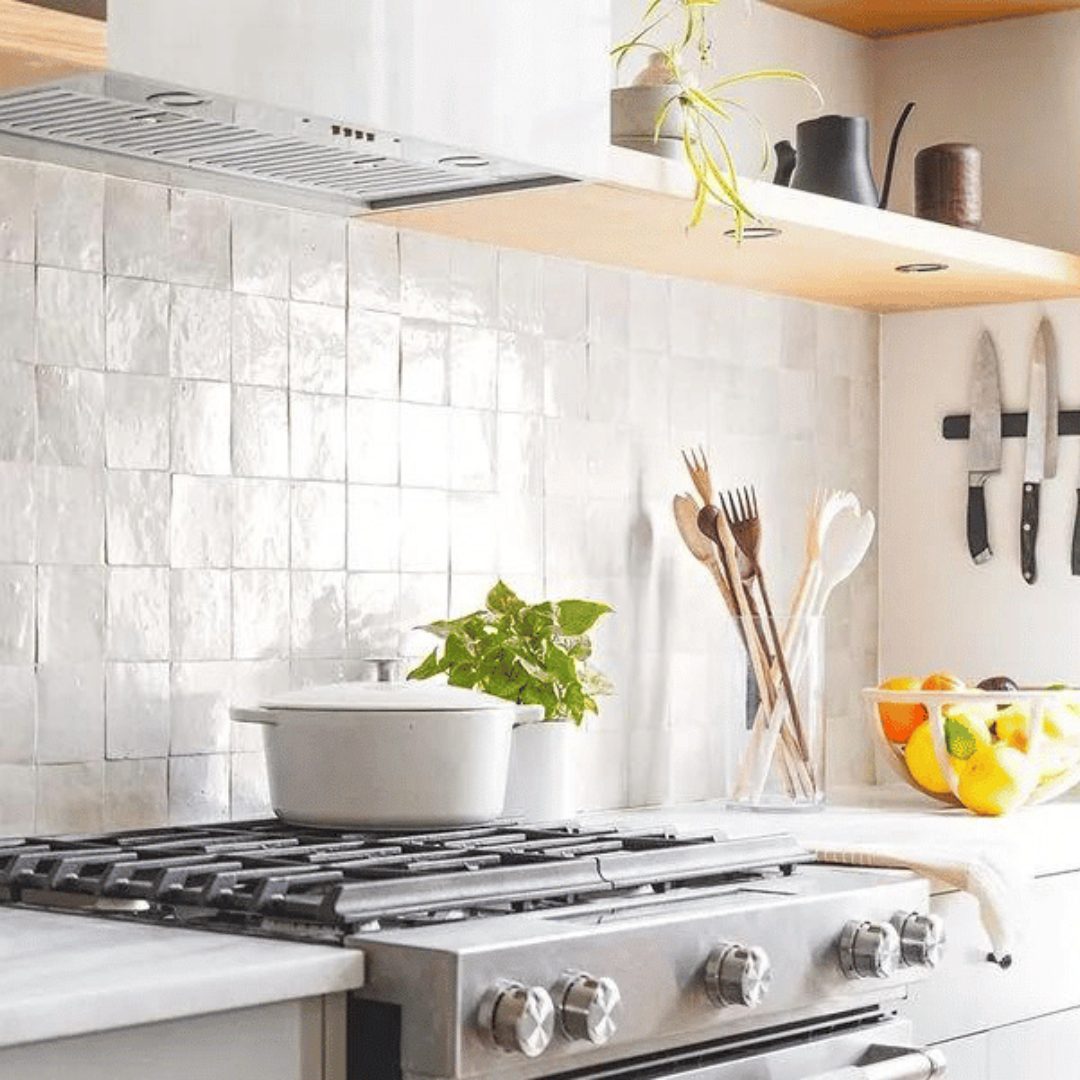
Bold, textured backsplashes are stealing the show. Zellige tiles, concrete tile (or look-alike), and natural stone are popular choices. Many homeowners are extending the backsplash to the ceiling for more impact.

  1. Smart & Sustainable Kitchens

Technology had made its way into the kitchen! You’ll find smart appliances, touchless faucets, induction cooktops, and more as must-haves in Phoenix homes.

  1. Indoor-Outdoor Connectivity

Given our beautiful weather, many homeowners are designing kitchens that seamlessly flow into outdoor spaces. Telescoping glass doors, pass-through windows, and outdoor kitchens allow for easy entertaining and enjoyment.

  1. Multi-Functional Islands

Kitchen islands are growing in size and function, often serving as dining areas, workspaces, and storage hubs. Waterfall-edge countertops and built-in seating are common features, making it the centerpiece of the kitchen.

  1. Mixed Metal Finishes

Instead of matching all metals, homeowners are mixing finishes for a curated look. Brass, matte black, and antique bronze hardware are being paired with stainless steel appliances to create contrast and depth.

  1. Personalized Touches

More than ever, Phoenix homeowners are making their kitchens feel unique with custom elements—custom tile backsplash, vintage light fixtures, or a statement range hood. This trend creates a space with personal style while maintaining functionality.

Closing Thoughts

Phoenix kitchen trends for 2025 are all about warmth, natural materials, and seamless indoor-outdoor living. Incorporating these elements in your next project will help you create a kitchen space that enhances your home’s value. Which of these trends is your favorite?


Sources: BHG.com, Architectural Digest, realsimple.com, azbaysidehomeimprovement.com, mcsphoenixremodeling.com, houzz.com

Home Service Resources February 11, 2025

Large Peel and Stick Paint Color Samples Sent to Your Home

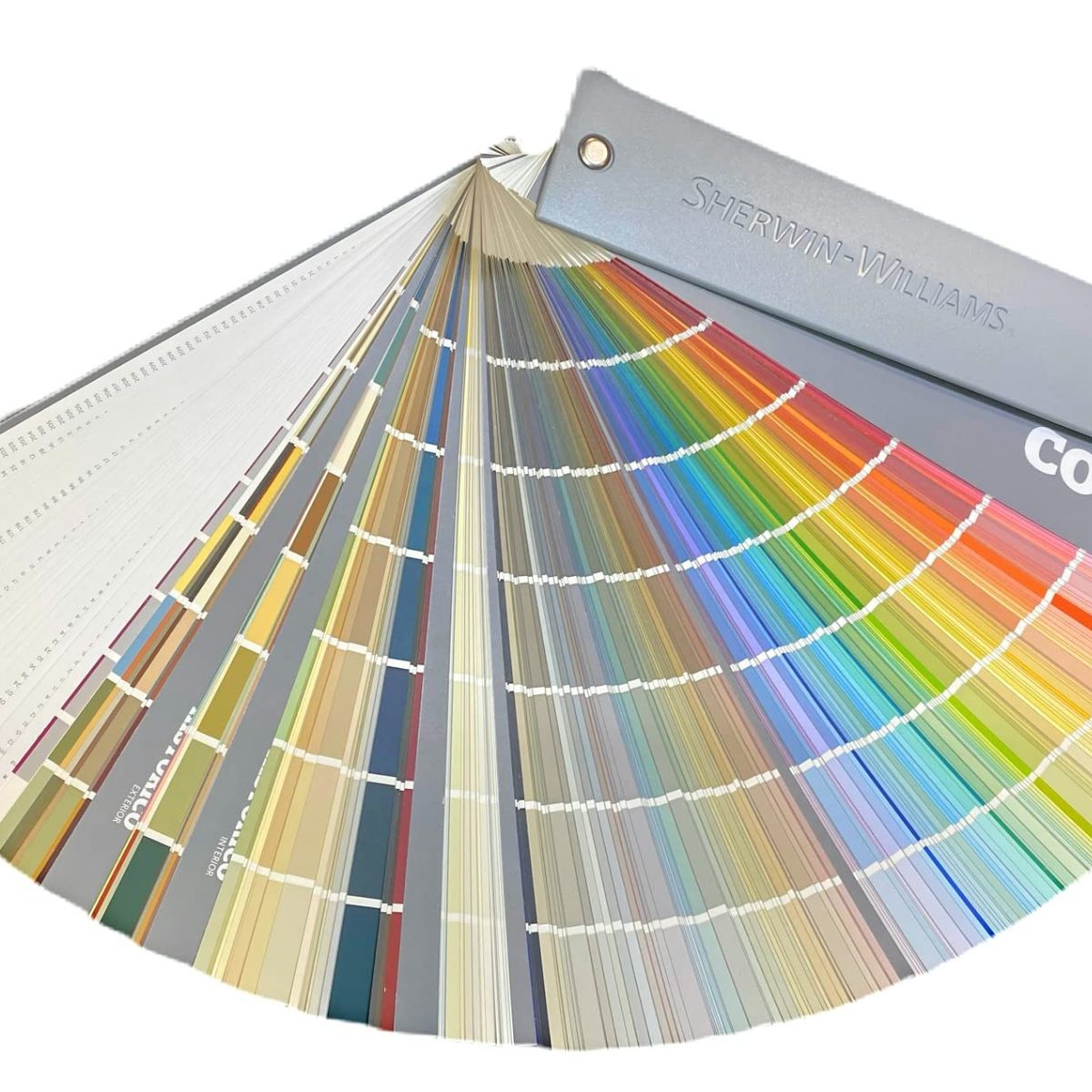
If you’re thinking about making some updates to your home, you probably know that I can be a resource for local home service providers. If your project involves a new paint color inside or on the exterior of your home, though, I’ve got another great resource that can make selecting just the the right color easy with large peel and stick paint color samples sent to your home.

How does this work?

My partner, Sherwin Williams, provides me great tools to help you select just the right paint color. First, I’ll lend you one of my fan decks with all of their colors (or you can look at them online here). They’re small but this can help you narrow your list of options. Once you have that, just send me the list of colors you’re considering and how many you would like of each color. I’ll go to their pro site online and order large peel and stick samples (up to 8-1/2”x11”). Order multiple samples of each color if you want to look at a bigger area or post them on different walls to walk by them in different lighting. I did this myself last time I painted.

Is there a cost for this?

No, this is a FREE service with the large peel and stick paint color samples mailed to your home.

Sherwin Williams is just one of the many partners I have in my toolbox. Need a referral to a painter or other home service provider? Please to hestitate to reach out. I’m here to help–not just when you’re ready to sell, but anytime you need reliable home service providers, market updates and real estate advice (even if you’re just curious), and guidance if you’re housing needs change.

Life in the ValleyLocal Resources October 14, 2024

Propositions Supporting Growth Across Metropolitan Phoenix

As a real estate agent, I do not talk about politics with my clients. I appreciate differing opinions and everyone’s right to vote as they see fit. That said, I do believe in sharing information about propositions supporting growth across metropolitan Phoenix. I appreciate you reading my thoughts below on three key propositions and learning more through the links provided.


Maricopa County Transit Tax

Maricopa County residents, please vote YES on PROPOSITION 479 to continue an existing half-cent sales tax that funds transportation. A yes vote extends the tax until 2045 and if it does not pass, the tax ends in 2025.

Again, this is NOT a new tax and transportation funding is critically important our quality of life, especially with ongoing population and job growth across the valley. Learn more about this important proposition here.


Scottsdale Park & Preserve Maintenance

I am asking Scottsdale residents to vote YES on PROPOSITION 490 to improve the city ‘s aging parks and maintain our treasured McDowell Sonoran Preserve. In addition to park and preserve maintenance, the funds add police ranger patrol to parks and preserve trailheads and add fire department resources, including a second rescue team and increased fire prevention and fire fighting funds. This is done with a new sales tax that REPLACES an expiring sales tax at a LOWER rate. Learn more here.


Scottsdale Spending Limit

Lastly, I encourage Scottsdale residents to consider voting YES on PROPOSITION 491 to increase Scottsdale’s state-imposed spending limitation. All Arizona cities have limitations that cap the maximum amount it can spend each year to provide services and programs. Most Arizona cities (if fact, 82 out of 91) have passed something similar already.

Please note that this change is NOT an increase in taxes. It simply allows the city to operate within a spending limitation that more closely matches existing revenue sources to meet current and planned services and programs. Costs continue to increase so if we have the revenue, why not allow for spending within that amount to support the city’s needs?

Without this adjustment, the city will have to make difficult decisions about which services and programs to continue funding. Learn more here.


Regardless of whether you vote YES on these three propositions supporting growth across metropolitan Phoenix, I do hope you exercise your right to vote on election day!